 Evelyn Reed
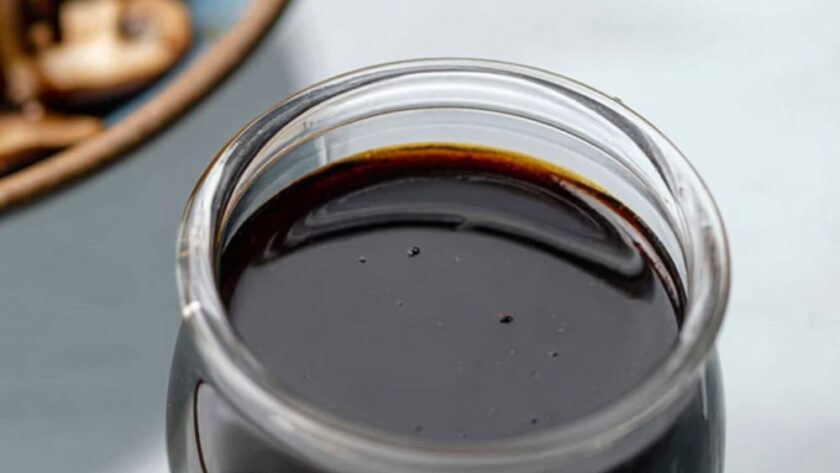
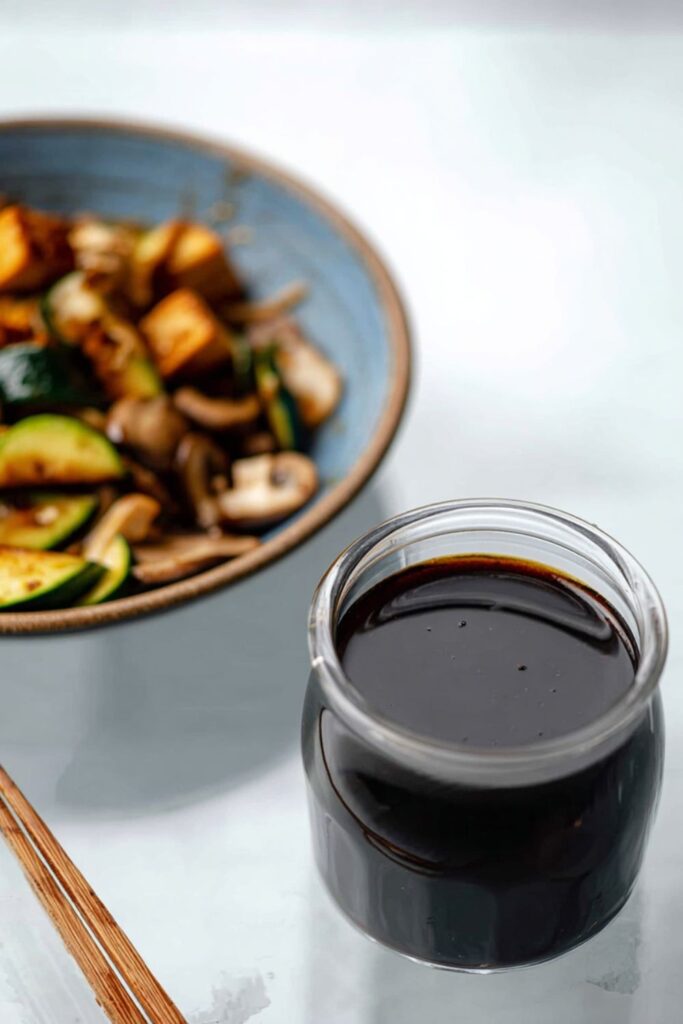
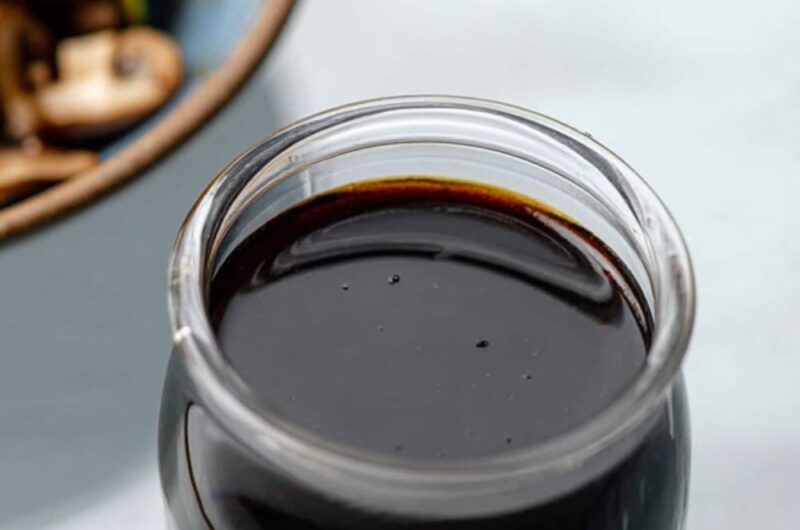
 This low histamine Asian sauce blends coconut aminos, honey, ginger, and sesame oil for a flavorful yet histamine-conscious stir-fry sauce. It’s free from soy, vinegar, and fermented sauces—common triggers for histamine reactions. The texture is smooth and glossy, and it comes together in minutes with gentle, nourishing ingredients.
Ingredients Needed
- 2 tablespoons coconut aminos – soy-free and low in histamine; provides natural sweetness and depth.
- Alternative: 1 teaspoon salt + 2 tablespoons low-histamine broth.
- 2 teaspoons honey – natural sweetener with soothing flavor.
- Alternative: agave syrup if preferred.
- 1 teaspoon fresh ginger – finely grated; adds warming zing.
- Alternative: ½ teaspoon ground ginger if fresh isn’t tolerated.
- 2 cloves garlic, freshly grated – adds savory bite.
- Alternative: 1 teaspoon garlic powder if preferred.
- ½ teaspoon arrowroot starch – optional thickener for a glossy finish.
- 3 tablespoons water – base to blend and cook the sauce.
- 1 tablespoon sesame oil – adds a nutty, rich finish.
- ½ teaspoon salt (optional) – adjust for taste if not using coconut aminos.
How To Make Low Histamine Asian Sauce
Prepare Arrowroot Mix (Optional):
In a small bowl, add 3 tablespoons of hot water. Slowly sprinkle in arrowroot starch while whisking constantly to avoid clumps. Skip this step if you want a thinner sauce or plan to freeze it.
Mix Sauce Base:
Add coconut aminos (or salt and broth), honey (or agave), grated ginger, and grated garlic into the same bowl. Stir well until smooth. This will create a flavorful, low-histamine stir-fry base.
Heat and Thicken:
Transfer the sauce to a small saucepan. Heat over medium while stirring constantly. Let it gently bubble for about 3 minutes or until thickened to your liking.
Finish with Sesame Oil:
Remove from heat. Stir in sesame oil for flavor and shine. Let cool at least 10 minutes before using.
Use Fresh:
Use immediately or freeze within 30 minutes to avoid histamine build-up.
Recipe Tips
- Use fresh ingredients: Fresh garlic and ginger are better tolerated than dried or stored versions.
- Avoid soy and vinegar: Coconut aminos is a great low-histamine swap for soy sauce or tamari.
- Quick cooking is key: Keeping cook time short helps preserve a low-histamine profile.
- Freeze in small portions: If not using right away, freeze immediately in small silicone trays.
- Skip arrowroot if freezing: Thickeners don’t always hold texture well after thawing.
How to Store & Reheat
- Room Temperature: Use within 30 minutes of cooling.
- Fridge: Not recommended—sauce may accumulate histamine even after a few hours.
- Freezer: Freeze immediately after cooling in airtight containers or ice cube trays. Use within 2 weeks. Reheat gently in a saucepan over low heat.
Nutrition Facts (Approximate per serving)
- Calories: 107
- Sodium: ~300 mg (depends on whether salt or coconut aminos used)
- Protein: 0.5 g
- Fat: 5 g
- Carbs: 13 g
- Fibre: 0.1 g
- Sugar: 6 g
FAQs
1. Can I use soy sauce instead of coconut aminos?
No. Soy sauce is fermented and high in histamine. Coconut aminos is a safer, soy-free option for low-histamine cooking.
2. Is sesame oil low histamine?
Yes, sesame oil is generally considered low histamine, especially when fresh and cold-pressed. Use in small amounts and store in a cool, dark place.
3. Can I make this sauce without garlic?
Yes. Garlic can be a histamine liberator for some people. You can skip it or use a small pinch of garlic powder if tolerated.
4. Is honey okay for low histamine?
Yes, in small amounts, honey is generally well-tolerated and not fermented. Use fresh, pure honey and avoid aged or processed kinds.
5. Can I store this sauce in the fridge?
It’s best to use fresh or freeze immediately. Refrigeration can lead to increased histamine levels, even within a few hours.
Try More Recipes:
Low Histamine Asian Sauce
Course: SauceCuisine: AmericanDifficulty: Easy2
servings5
minutes5
minutes107
kcalThis low histamine Asian sauce is savory, slightly sweet, and gentle on digestion. It’s made with low-histamine, non-fermented ingredients for a safer choice in stir-fries or noodle bowls.
Ingredients
2 tbsp coconut aminos (or 1 tsp salt + 2 tbsp broth)
2 tsp honey (or agave syrup)
1 tsp fresh grated ginger (or ½ tsp ground)
2 cloves garlic, grated (or 1 tsp garlic powder)
½ tsp arrowroot starch (optional)
3 tbsp hot water
1 tbsp sesame oil
½ tsp salt (optional)
Directions
- Whisk arrowroot into hot water if using to thicken.
- Add coconut aminos, honey, ginger, and garlic. Mix well.
- Transfer to saucepan; heat on medium until bubbling and slightly thickened, about 3 minutes.
- Remove from heat. Stir in sesame oil.
- Let cool for 10 minutes. Use immediately or freeze within 30 minutes.