 Evelyn Reed
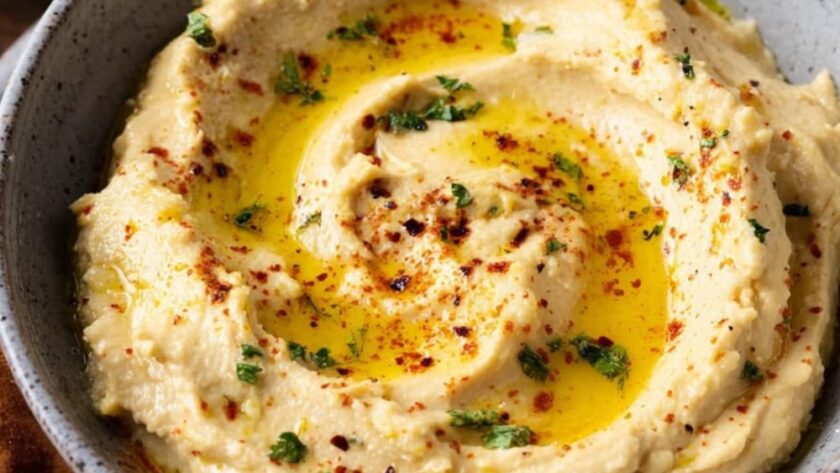
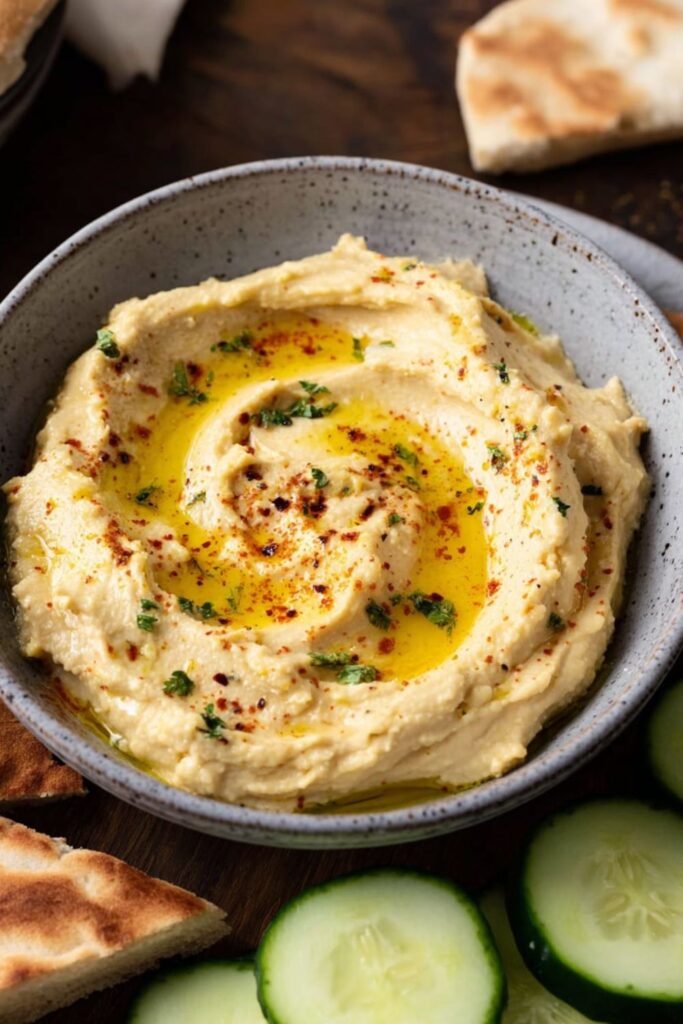
 This hummus skips the harsh fiber and keeps things bland yet satisfying. By using peeled and pureed chickpeas, garlic-infused oil (optional), and simple ingredients, it becomes a gentle-on-the-colon dip that still tastes great. Serve it with soft, low fiber options like white pita bread or plain crackers.
Ingredients Needed:
- 1½ cups peeled and strained chickpeas: use canned, skinned, and blended smooth.
- ⅓ cup smooth tahini: creamy and fiber-free.
- 2 tbsp extra-virgin olive oil: for richness and smooth blending.
- 2 tbsp lemon juice (optional or reduced): skip or reduce if citrus is not well tolerated.
- ½ tsp sea salt: adds flavor.
- 5 tbsp water (or more): helps achieve a very smooth, soft consistency.
- Optional: 1 tsp garlic-infused oil (if tolerated, for flavor).
- Low residue pita or white bread for serving
How To Make Low Residue Hummus:
Blend Until Smooth:
In a high-speed blender, combine peeled chickpeas, tahini, olive oil, lemon juice (if using), salt, and garlic-infused oil (if tolerated). Blend until extremely smooth.
Adjust Texture:
Add water 1 tablespoon at a time while blending until the hummus is creamy and smooth with no chunks.
Serve Gently:
Spoon into a serving bowl. Avoid high-fiber garnishes like parsley or spices. Serve with soft white bread or low residue crackers.
Recipe Tips:
- Always peel chickpeas to reduce fiber. Canned chickpeas are best.
- Avoid raw vegetables or seeds.
- Use garlic-infused oil for flavor if you can’t tolerate garlic.
- Skip acidic ingredients if citrus triggers discomfort.
- Blend well to avoid any gritty texture.
How to Store & Reheat:
- Room Temperature: Serve at room temp, not hot.
- Fridge: Store in airtight container for up to 3 days.
- Freezer: Not recommended—may alter smooth texture.
Nutrition Facts (per 2 tbsp serving):
- Calories: 90
- Sodium: 140 mg
- Protein: 2 g
- Fat: 7 g
- Carbs: 4 g
- Fibre: <1 g
- Sugar: 0 g
FAQs:
Is hummus OK on a low residue diet?
Regular hummus isn’t, but this version uses peeled chickpeas and no fibrous ingredients to make it safe and gentle.
How do I make chickpeas low residue?
Use canned chickpeas, rinse well, and peel them to remove fiber-rich skins. Blend thoroughly.
Can I eat garlic on a low residue diet?
Whole garlic is not recommended, but garlic-infused oil may be tolerated for flavor.
What should I serve with low residue hummus?
Serve it with soft white pita, plain rice crackers, or white toast—avoid raw veggies and whole grain products.
Can I eat tahini on a low residue diet?
Yes, smooth tahini is low in fiber and safe in small amounts.
Try More Recipes:
Low Residue Hummus
Course: AppetizersCuisine: AmericanDifficulty: Easy8
servings5
minutes90
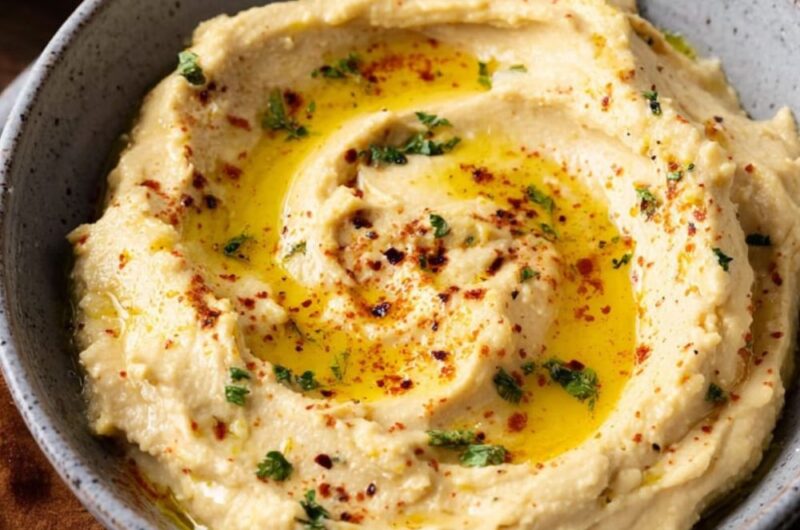
kcalThis smooth, gentle hummus is easy on digestion and perfect for a low fiber, low residue diet. A creamy blend without skins, seeds, or strong spices.
Ingredients
1½ cups peeled, strained chickpeas (canned, rinsed)
⅓ cup smooth tahini
2 tbsp olive oil
2 tbsp lemon juice (optional or reduced)
½ tsp sea salt
1 tsp garlic-infused oil (optional)
5 tbsp water (or more for consistency)
Soft white bread or low residue crackers for serving
Directions
- Blend chickpeas, tahini, olive oil, lemon juice, salt, and garlic-infused oil (if using).
- Add water slowly to blend until smooth and creamy.
- Serve plain with low residue bread.
Notes
- https://www.loveandlemons.com/hummus-recipe/