 Evelyn Reed
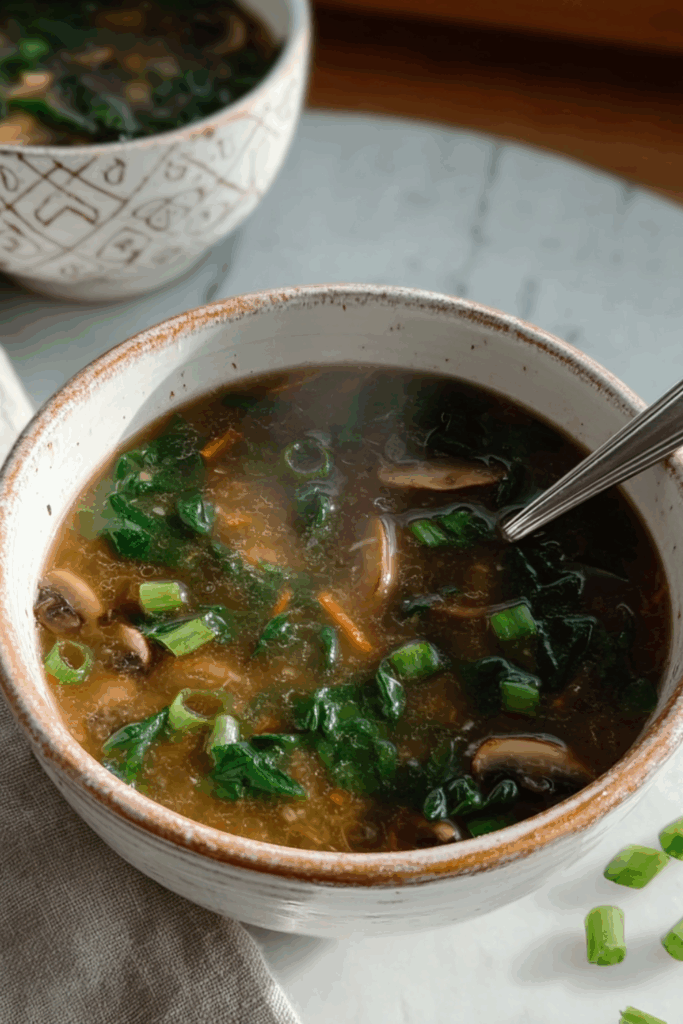
 low residue miso soup. honestly, this one’s a little weird — because miso soup is usually packed with seaweed, tofu, scallions, all kinds of stuff your gut might side-eye. but not this. this version keeps it simple, smooth-ish, cozy. no funky fibers, no digestive drama. just warm umami broth with soft bits that go down easy. made it in under 30 mins and yeah… it works.
Jump to RecipeIngredients Needed
- ¼ cup white miso paste: gentler than red, lower fiber, smoother flavor.
- 1 tbsp toasted sesame oil: adds that deep, toasty base note.
- 2 tsp freshly grated ginger: optional — skip or use a pinch for flavor without fiber.
- 1 tbsp coconut oil (or olive oil): helps soften everything and adds richness.
- 4 cups low-sodium vegetable broth or water: avoid ones with seaweed/onion.
- 2 tbsp tamari (gluten-free soy sauce): lower irritants than regular soy sauce.
- ½ cup soft-cooked carrots, sliced thin: cooked until really soft.
- 4 oz shiitake mushroom caps, sliced thin: just the caps — remove stems, they’re tough.
- 1½ cups baby spinach leaves: optional — wilt well for easier digestion.
- Skip the green onions (they’re not low residue).
How To Make Low Residue Miso Soup
Mix the flavor base:
In a small bowl, stir together miso paste, sesame oil, and ginger. Set it aside for later.
Cook the veggies:
In a big saucepan, melt coconut oil. Add carrots and mushrooms (no onions). Cook on medium until they’re really soft — not crunchy.
Simmer the broth:
Pour in broth or water. Bring to a simmer, cover halfway, and cook for 10 mins. If using spinach, stir it in now to wilt.
Blend in miso:
Scoop out about ½ cup of the hot broth and whisk it into your miso mix until smooth. Add it back into the pot. Stir in tamari. Don’t boil it now — just warm through
Recipe Tips
- Use white miso — it’s milder and easier on digestion.
- Skip green onions and garlic — they’re not low residue.
- Chop mushrooms super thin and cook well — or omit if they’re too rough for you.
- Want it even smoother? Blend it all after cooking. Yep, that’s allowed.
How to Store & Reheat
- Room Temperature: no — refrigerate immediately.
- Fridge: up to 3 days in a sealed container.
- Freezer: not ideal — texture changes. But you can freeze broth only, then add miso fresh later.
Nutrition Facts (Approx. per serving
- Calories: 132
- Sodium: ~750mg (if using low-sodium broth + white miso)
- Protein: 4g
- Fat: 8g
- Carbs: 12g
- Fibre: ~1–2g (depends on veggies used)
- Sugar: 4g
FAQs
Is miso low residue?
In small amounts, yes — white miso especially. Avoid chunky bits or unblended paste.
Can I use seaweed or tofu?
Nope — both are high fiber or hard to digest. Skip them for low residue.
What broth is best?
Low sodium veggie broth without onion, garlic, or seaweed. Or just use plain water.
Can I skip spinach?
Yep — or cook it down completely. Or blend it in for texture-friendly greens.
What if I can’t find white miso?
Use mellow yellow miso or dilute red miso — but start with less, it’s stronger.
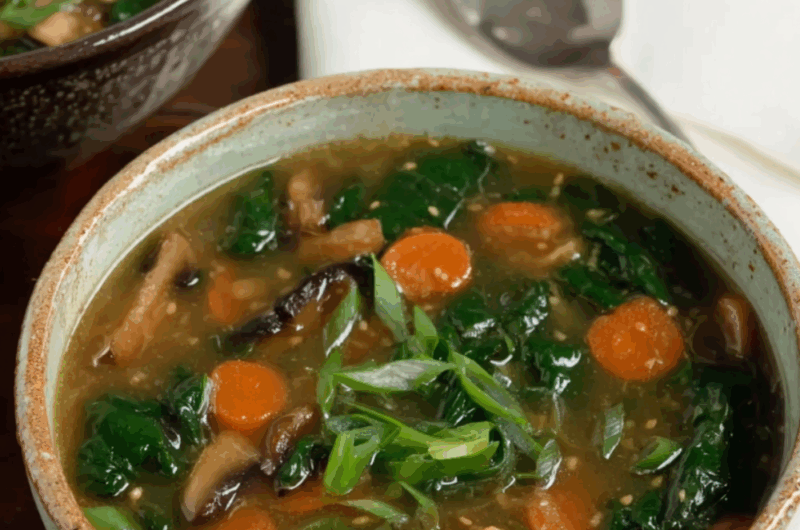
Low Residue Miso Soup Recipe
Course: SoupsCuisine: Japanese-SimmeringDifficulty: Easy4
servings10
minutes15
minutes132
kcalA smooth, soothing miso soup with tender veggies and low fiber — comfort in a bowl for sensitive guts.
Ingredients
¼ cup white miso paste
1 tbsp toasted sesame oil
2 tsp grated ginger (optional)
1 tbsp coconut or olive oil
4 cups low sodium vegetable broth or water
2 tbsp tamari
½ cup sliced carrots
4 oz shiitake mushroom caps, sliced
1½ cups baby spinach (optional)
Directions
- Mix miso, sesame oil, and ginger in a bowl.
- Sauté carrots and mushrooms in coconut oil until soft.
- Add broth, simmer 10 mins.
- Stir in spinach to wilt.
- Mix hot broth into miso, then return to pot.
- Stir in tamari, warm through. Serve.
Notes
- Avoid seaweed, tofu, and scallions for true low residue.
- Blend if you want a smooth, sip-able version.
- Use fresh miso when reheating — boiling kills probiotics.
- Go light on tamari if sodium is a concern.