 Evelyn Reed
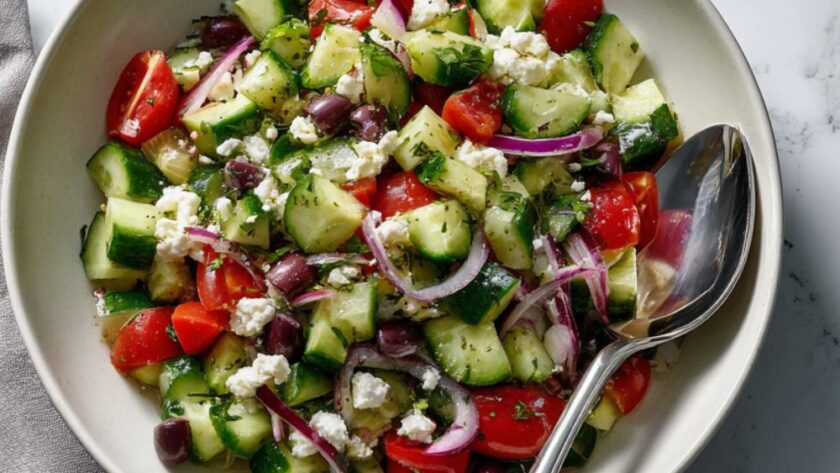
 This gentle-on-digestion version keeps all the crunch and fresh flavor of a traditional Greek salad while removing acidic triggers like vinegar, lemon juice, mustard, and raw garlic. A calming olive‑oil–based dressing adds mild flavor without irritation, making this salad perfect for GERD-safe meals and low acid eating.
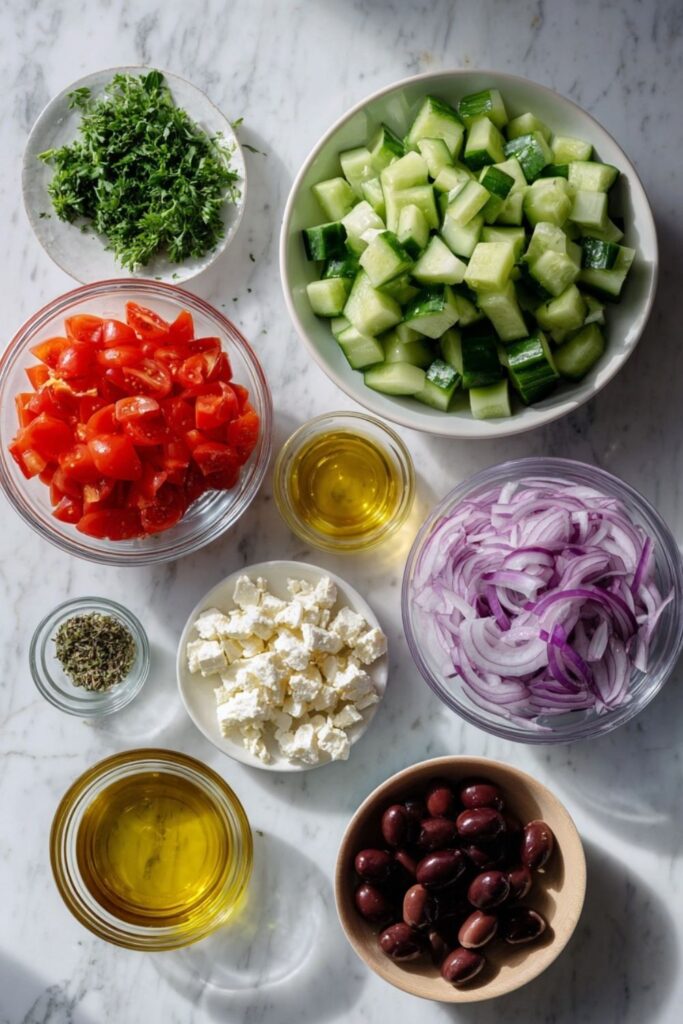
Ingredients Needed
Salad Ingredients:
- 1 large cucumber, diced: cooling and soothing.
- 1 pint grape tomatoes, halved: use only very ripe, low-acid tomatoes or omit if sensitive.
- 1 green bell pepper, diced: crisp and gentle.
- ½ red onion, thinly sliced: optional; use less if onions trigger symptoms.
- ½ cup Kalamata olives, halved: salty, low acid.
- 4 ounces feta cheese, crumbled: creamy and mild.
- Salt and pepper to taste: optional.
Low Acid Dressing:
- ¼ cup olive oil: smooth and soothing.
- 2 tablespoons water: helps mellow the flavor.
- 1 tablespoon fresh parsley, chopped: gentle freshness.
- ½ teaspoon dried oregano: classic flavor without acid.
- ¼ teaspoon salt: optional.
- Pinch of black pepper: optional.
- ½ teaspoon honey (optional): balances flavors without acidity.
How To Make Low Acid Greek Salad
Combine the Vegetables:
Add cucumber, tomatoes (if tolerated), bell pepper, onion, olives, and feta to a large bowl.
Make the Low Acid Dressing:
In a small bowl, whisk olive oil, water, parsley, oregano, optional salt, pepper, and honey until smooth and lightly thickened.
Dress the Salad:
Drizzle the dressing over the vegetables. Toss gently to coat everything evenly.
Taste & Adjust:
Add extra herbs or a little more olive oil if you want stronger flavor without acidity.

Recipe Tips
- Use very ripe tomatoes or skip them entirely if you’re highly acid-sensitive.
- Replace red onion with chopped green onion for a gentler option.
- Add chopped fresh basil for more flavor without irritation.
- Chill the salad before serving—cool foods are easier on reflux.
- Use high-quality olive oil for rich, smooth flavor.
How to Store & Reheat
- Room Temperature: Serve immediately; don’t leave out longer than 1 hour.
- Fridge: Store in an airtight container for up to 2 days. Add dressing just before serving for best texture.
- Freezer: Not recommended.
Nutrition Facts (Per Serving)
- Calories: ~210
- Sodium: ~320 mg
- Protein: 5 g
- Fat: 18 g
- Carbs: 7 g
- Fibre: 2 g
- Sugar: 3 g
FAQs
Is Greek salad okay for acid reflux?
Yes—when acidic ingredients like vinegar, lemon, garlic, and mustard are removed. This version is reflux-friendly.
What can I use instead of vinegar in Greek salad?
Use olive oil mixed with water, herbs, and a tiny drop of honey for a low acid alternative.
Are tomatoes too acidic for GERD?
Most tomatoes are acidic, but very ripe grape tomatoes may be tolerated. You can omit them if sensitive.
Does feta cheese trigger acid reflux?
Feta is mildly acidic but generally tolerated in small amounts on a low acid diet.
Can I use other vegetables?
Yes—add lettuce, zucchini ribbons, or cooked carrots for extra gentle options.
Try More Recipes:
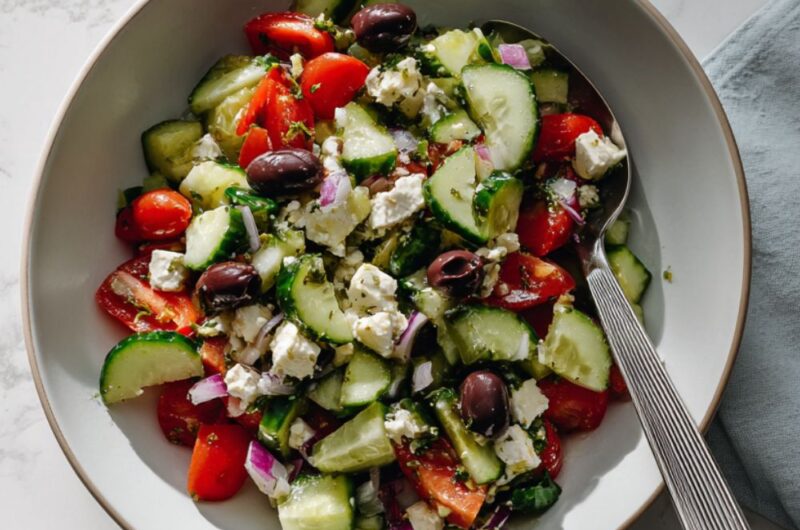
Low Acid Greek Salad Recipe
Course: SaladsCuisine: AmericanDifficulty: Easy4
servings15
minutes210
kcalA gentle, refreshing Greek salad made with soothing vegetables and a mellow, low acid dressing that’s perfect for reflux-friendly meals.
Ingredients
- Salad:
1 cucumber, diced
1 pint ripe grape tomatoes (optional)
1 green bell pepper, diced
½ red onion, sliced (optional)
½ cup Kalamata olives
4 oz feta cheese
- Dressing:
¼ cup olive oil
2 tbsp water
1 tbsp chopped parsley
½ tsp dried oregano
Pinch salt
Pinch black pepper
½ tsp honey (optional)
Directions
- Add cucumber, tomatoes, pepper, onion, olives, and feta to a bowl.
- Whisk olive oil, water, parsley, oregano, salt, pepper, and honey.
- Drizzle dressing over salad.
- Toss gently and serve chilled.