 Evelyn Reed
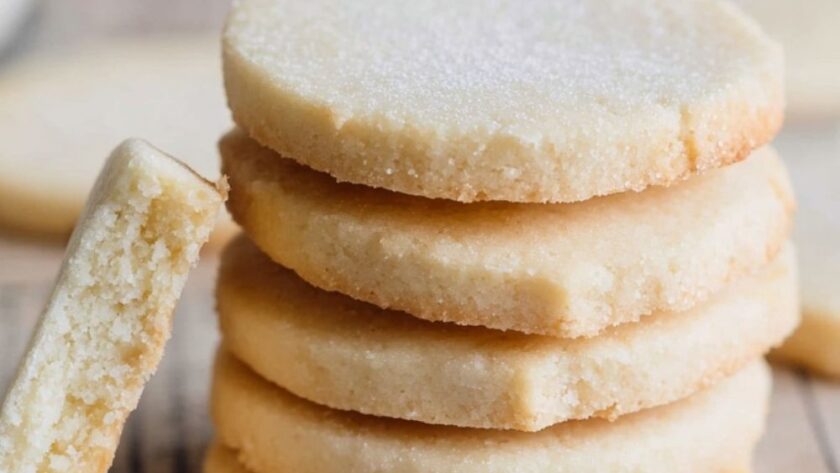
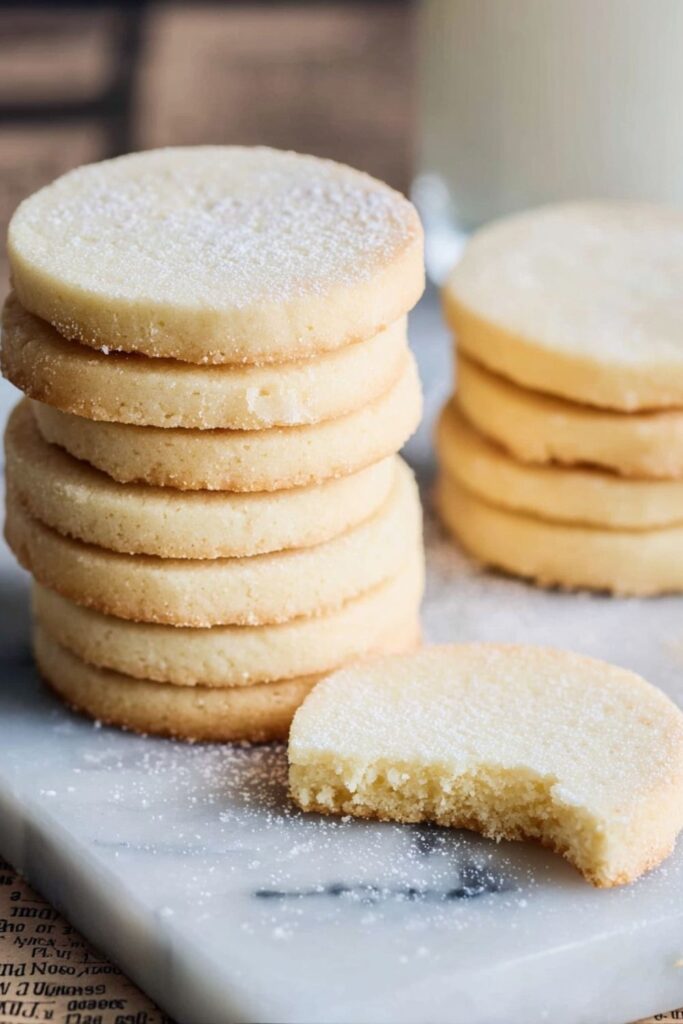
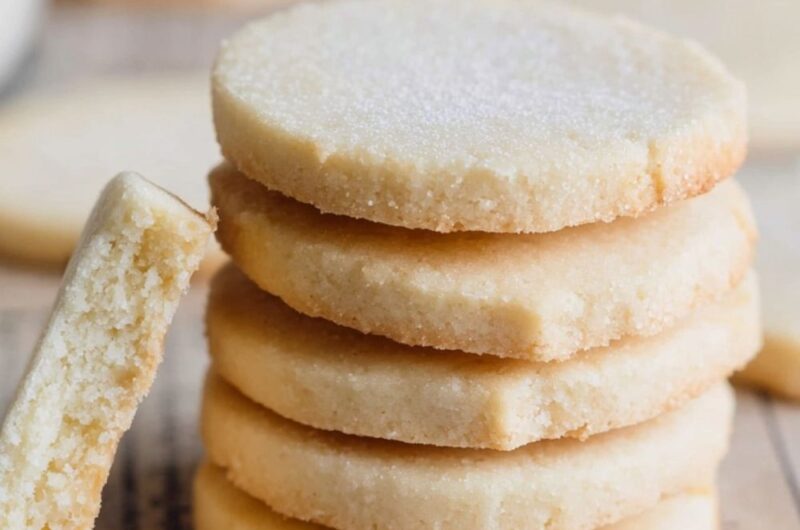
 These cookies are buttery, delicate, and slightly sweet with a smooth, crumbly texture. They’re made using rice flour for a gluten-free base and use gentle ingredients suited to sensitive diets. This is a perfect low trigger snack for tea time, holiday baking, or whenever you want a calming, anti-inflammatory choice.
Ingredients Needed:
- ½ cup (100 g) coconut oil or ghee: instead of butter or shortening for a histamine-friendly fat
- ¾ cup (90 g) powdered sugar: plain, no additives
- Seeds from 1 vanilla bean or 1 tsp vanilla powder: instead of vanilla extract to avoid alcohol/fermentation
- 1 tbsp arrowroot starch or tapioca starch: instead of cornstarch to keep low histamine
- ¼ tsp salt: optional
- 1½ cup (240 g) rice flour: white or brown rice flour
- ¼ cup (60 ml) water: add only if needed to bring dough together
How to Make Low Histamine Rice Flour Cookies:
Cream Fat and Sugar:
In a mixing bowl, beat coconut oil or ghee and powdered sugar until light and smooth.
Add Vanilla and Starch:
Mix in vanilla powder or seeds and arrowroot starch with salt until fully combined.
Add Rice Flour:
Add rice flour in two batches, mixing well after each. If dough feels too dry, add one tablespoon of water at a time until it forms a soft dough.
Chill Dough:
Divide dough into two discs. Wrap each in parchment or wax paper (instead of plastic wrap) and chill in the fridge for 1 hour until firm enough to roll.
Preheat Oven:
Preheat oven to 340°F (170°C). Line a baking sheet with parchment paper.
Shape Cookies:
Roll chilled dough on a lightly floured surface (use rice flour). Cut with a cookie cutter, or roll into small balls and flatten gently with your palm.
Bake:
Bake for 10–12 minutes until edges are slightly golden. The cookies should remain pale. Don’t overbake.
Cool and Store:
Cool cookies completely on a wire rack before storing in an airtight glass jar. These cookies keep for up to 2 weeks.
Recipe Tips:
- Use coconut oil or ghee instead of butter or shortening to stay histamine-friendly
- Vanilla powder or bean seeds avoid fermented extracts
- Arrowroot or tapioca starch keeps these cookies low histamine compared to cornstarch
- Chill dough for best shape and texture
- Handle gently as rice flour cookies are delicate
How to Store & Reheat:
- Room Temperature: Store in airtight glass jar for up to 2 weeks
- Fridge: Not necessary but can extend freshness to 3 weeks
- Freezer: Freeze uncooked dough discs for up to 1 month; thaw overnight in fridge before baking
Nutrition Facts (per cookie, approx.):
- Calories: 192
- Sodium: 40mg
- Protein: 1g
- Fat: 10g
- Carbs: 25g
- Fibre: 1g
- Sugar: 9g
FAQs:
What starch is safest for low histamine baking?
Arrowroot and tapioca starch are safer than cornstarch because they’re less processed and not fermented.
Can I use vanilla extract in low histamine cookies?
No, vanilla extract contains alcohol and may be fermented. Use vanilla powder or seeds from a vanilla bean.
Is rice flour low histamine?
Yes, rice flour is a gentle, gluten-free flour that’s suitable for a low trigger snack.
How do I keep rice flour cookies from crumbling?
Chill the dough well and handle gently after baking. Using coconut oil helps bind them better.
Try More Recipes:
Low Histamine Rice Flour Cookies
Course: DessertCuisine: AmericanDifficulty: Easy12
servings5
minutes10
minutes192
kcalLight, buttery cookies made with rice flour, coconut oil, and vanilla powder for a gentle, histamine-friendly dessert.
Ingredients
½ cup coconut oil or ghee
¾ cup powdered sugar
Seeds from 1 vanilla bean or 1 tsp vanilla powder
1 tbsp arrowroot or tapioca starch
¼ tsp salt
1½ cup rice flour
¼ cup water (if needed)
Directions
- Cream coconut oil and sugar until smooth
- Mix in vanilla powder, starch, and salt
- Add rice flour in two batches, adding water if needed
- Divide dough into two discs, wrap, and chill 1 hour
- Preheat oven to 340°F and line a baking sheet
- Roll dough, cut shapes, or form balls
- Bake 10–12 mins until edges are slightly golden
- Cool completely before storing