 Evelyn Reed
 Honestly? I was staring at a fridge that had yogurt, mustard, and… not much else. This low residue salad dressing saved dinner. It’s creamy, tangy, stupidly simple — and it won’t set your stomach off. Fast, cheap, no blender, no drama.
Jump to RecipeIngredients Needed:
- 1 teaspoon Dijon or grainy mustard: the flavor punch. Don’t skip this.
- 1½ tablespoons mayonnaise or whole-milk plain yogurt: makes it creamy. I went yogurt — mayo just felt too heavy.
- Pinch salt: just enough to bring it to life.
- Pinch granulated sugar: balances the vinegar without making it sweet.
- Freshly ground black pepper: a little heat, a little bite.
- 1 tablespoon Champagne or white wine vinegar: gives that sharp, clean finish.
How To Make Low Residue Salad Dressing
Whisk the base together:
Grab a small bowl. Toss in the mustard, mayo or yogurt, salt, sugar, and black pepper. Whisk it till it looks like you might dip a fry in it. (You’ll want to. Don’t.)
Add the vinegar:
Pour in the vinegar and whisk again. It’ll loosen up and smooth out — kind of like magic but messier. Taste it. Add more salt or pepper if it feels flat.
Serve or stash it:
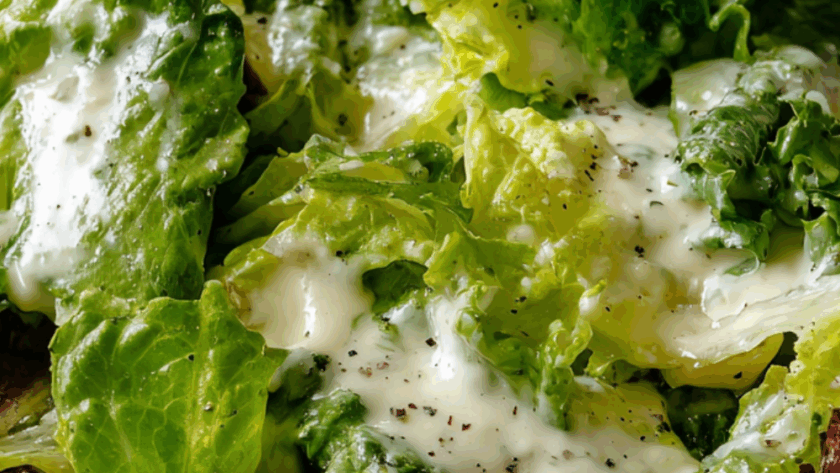
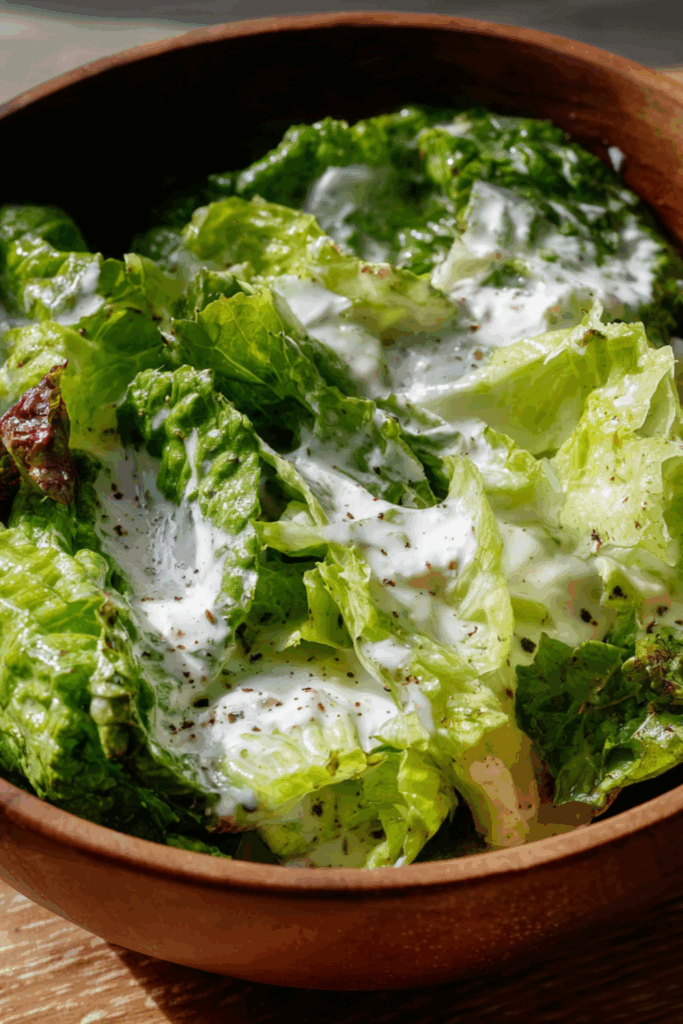
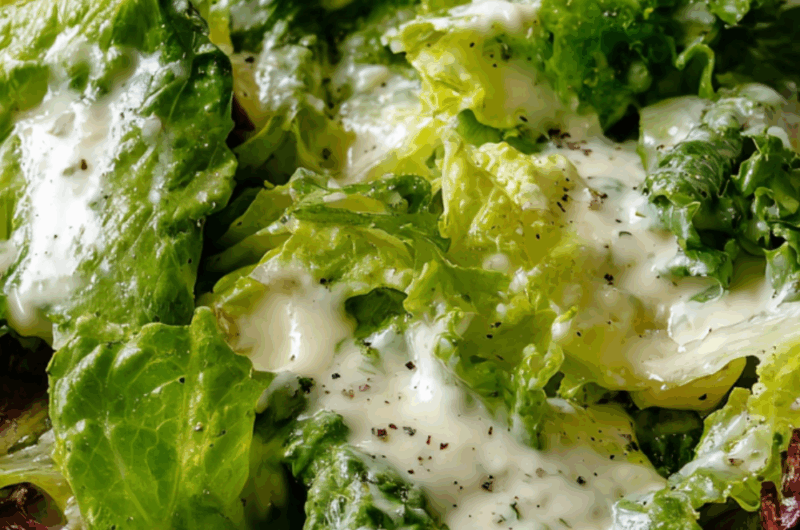
Toss it with greens — I went with butter lettuce and shredded carrot. Or keep it chilled till your next sad dinner needs saving.
Recipe Tips
- Use yogurt if you’re avoiding eggs — it’s gentler, plus it adds a nice tang.
- Don’t over-whisk. Just enough to bring it together. Overdoing it ruins the creamy texture.
- Champagne vinegar is softer on digestion than balsamic or raw ACV. You’ll notice the difference.
- If you want it thinner, a teaspoon of water does the trick — weird but works.
How to Store & Reheat
- Room Temperature: Nope — always refrigerate this one.
- Fridge: Store in a sealed jar or container for up to 5 days.
- Freezer: Don’t. It’ll separate and get weird. Just don’t.
Nutrition Facts (Approx. per serving)
- Calories: ~70
- Sodium: Low (depends on mustard used)
- Protein: <1g
- Fat: ~7g
- Carbs: ~1g
- Fibre: 0g
- Sugar: <1g
FAQs
Is this dressing low residue?
Yep. No seeds, no chunks, and no high-fiber ingredients. Just creamy and clean.
Can I use Greek yogurt instead of mayo?
Yes — full-fat is best. Avoid nonfat, it’ll taste chalky and thin out too much.
Is this good for low-FODMAP?
Mostly, yes. If you skip the garlic and watch the mustard, it can work. Use a FODMAP-friendly vinegar like rice or Champagne vinegar.
Can I double the recipe?
Absolutely. But remember — it’s best fresh. Maybe don’t triple it unless you’re feeding a houseplant too.
What kind of salads go with this?
Soft leafy ones. Think butter lettuce, shaved cucumber, plain poached chicken. Avoid raw kale or anything scratchy.
Low Residue Salad Dressing Recipe
Course: SaladsCuisine: AmericanDifficulty: Easy2
servings5
minutes70
kcalCreamy, light, tangy dressing that won’t wreck your stomach — made in minutes with pantry staples.
Ingredients
1 tsp Dijon or grainy mustard
1½ tbsp mayonnaise or whole-milk yogurt
Pinch salt
Pinch sugar
Fresh black pepper
1 tbsp Champagne or white wine vinegar
Directions
- Whisk mustard, mayo/yogurt, salt, sugar, and pepper in a small bowl.
- Add vinegar and whisk until smooth.
- Taste and adjust salt or pepper.
- Use immediately or store in fridge.
- Serve with soft greens or poached veg.
Notes
- Mayo adds richness, yogurt adds tang — pick your vibe.
- White wine vinegar is gentle. Balsamic and ACV might irritate sensitive guts.
- No garlic or onion — good for low residue and low-FODMAP.
- You can thin it with a teaspoon of water if too thick after chilling.