 Evelyn Reed
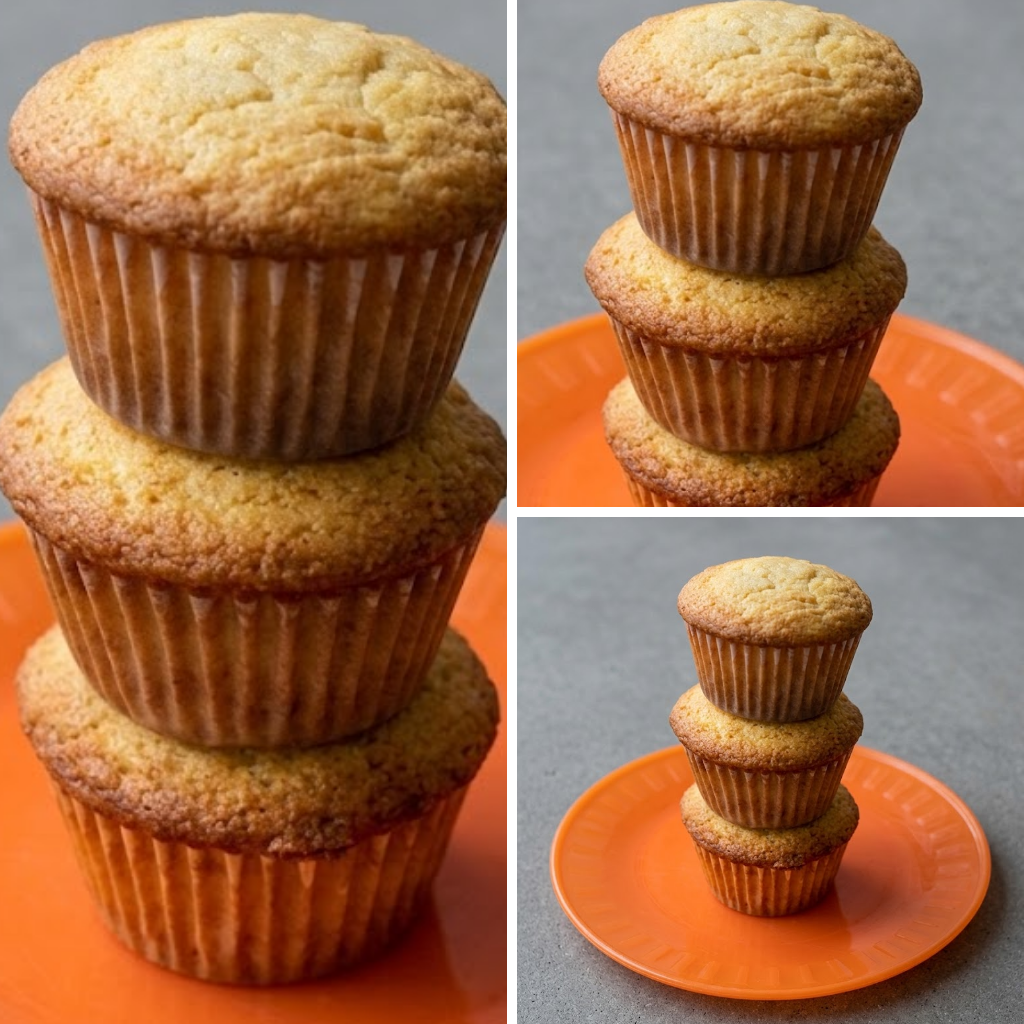
 A cup of sugar goes into a batter of two cornmeal types, flour, eggs, milk, vegetable oil, and vanilla. Sodium-free baking powder takes the place of the regular kind to keep the sodium at 17mg per muffin. Twelve muffins bake at 375°F and come out of the oven in 20 minutes.
Two types of cornmeal replace a single-grind approach, and the distinction runs through every bite. Coarse ground cornmeal, the kind sold as polenta, adds a slight crispness to the top as it bakes. Fine ground cornmeal holds the structure together and keeps the interior crumbly rather than dense or gritty.
Dividing the batter evenly between the 12 cups is what keeps every muffin on the same baking schedule. Overfilled cups overflow and spread flat at the top; underfilled cups dry out before the center sets. A cookie scoop is the cleanest tool for getting the same amount into each cup.
Low Sodium Corn Muffins Recipe
Course: BreakfastCuisine: AmericanDifficulty: Easy12
servings10
minutes30
minutes–
kcalLow Sodium Corn Muffins Recipe with two types of cornmeal, no salt added, and just 17mg of sodium per muffin. Sweet, crumbly, 12 muffins in about 30 minutes
Ingredients
- Batter
½ cup coarsely ground yellow cornmeal (polenta)
½ cup finely ground yellow cornmeal
1 cup all-purpose flour
1 cup granulated sugar
1 tablespoon sodium-free baking powder
½ cup milk
⅓ cup vegetable oil
2 eggs
1 teaspoon pure vanilla extract
Directions
- Preheat oven to 375°F. Grease a standard 12-cup muffin tin or line with paper liners.
- In a large mixing bowl, combine both cornmeals, flour, sugar, and sodium-free baking powder. Whisk well to combine.
- Add the milk, vegetable oil, eggs, and vanilla extract to the dry ingredients. Stir just until combined.
- Divide the batter evenly between the 12 cups using a cookie scoop or spoon.
- Bake on the middle rack for 20 minutes. Let the muffins rest in the pan for a few minutes, then transfer to a wire rack to cool fully before serving.
FAQs
How long do these muffins keep, and what is the best way to store them?
At room temperature in an airtight container, these stay soft for 3 days. After that the crumb dries out, so move any remaining muffins to the freezer rather than the fridge. Frozen, they last up to 3 months and reheat in a 300°F oven for 8 to 10 minutes.
Can the sugar be reduced, and what does cutting it back do to the texture?
One cup of sugar is a lot, and the batch does work with less. Cutting to ¾ cup produces a mildly sweet muffin that pairs better alongside soup or stew than at the breakfast table. Going below ½ cup changes the texture too, since sugar also contributes moisture to the crumb.
Where can I find sodium-free baking powder, and is there a substitute if I can’t?
Hain Featherweight sodium-free baking powder is the brand used in this recipe and is the most widely available sodium-free option. It turns up in health food stores, Whole Foods, and online retailers including healthyheartmarket.com. If you cannot find it locally, Ener-G Baking Powder is another sodium-free alternative that works in the same quantity.
What savory dish pairs best alongside these corn muffins for a full low sodium dinner?
Corn muffins belong next to a bowl of something hot, and a rich stew is where they go best. A low acid beef stew on this site builds a slow, savory pot that pairs directly with the sweetness of the corn. Together the two cover a full low sodium, low acid dinner from a single site visit.
What should I make on nights when a baked side doesn’t fit the plan?
On nights when a baked side doesn’t fit, a warm main dish covers the same comfort territory. A low sodium veggie enchiladas recipe on this site fills a baking dish with roasted sweet potatoes, black beans, and salt-free spices. Side by side on the weekly plan, they cover the full range from baked bread to a plated dinner.