 Evelyn Reed
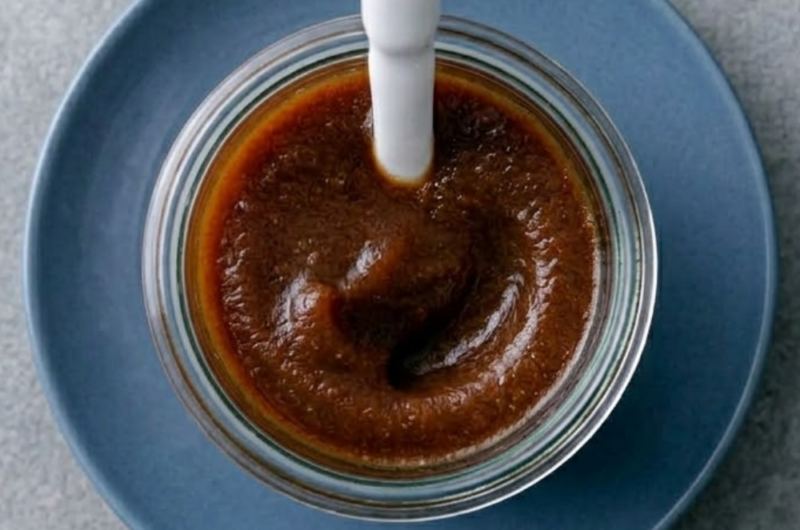
 This low acid BBQ sauce uses butternut squash and applesauce as its base instead of tomatoes or ketchup. Molasses, coconut aminos, and a small amount of hickory liquid smoke give it the color and flavor of a classic BBQ sauce. One batch makes 6 to 8 servings and is ready in 30 minutes.
Butternut squash replaces tomatoes as the base, adding the body and savory weight that conventional BBQ sauce gets from ketchup. Its pH sits far above tomatoes, which means it builds structure without contributing acidity. Cooking it fully tender before blending is what keeps any grainy texture from surviving into the finished sauce.
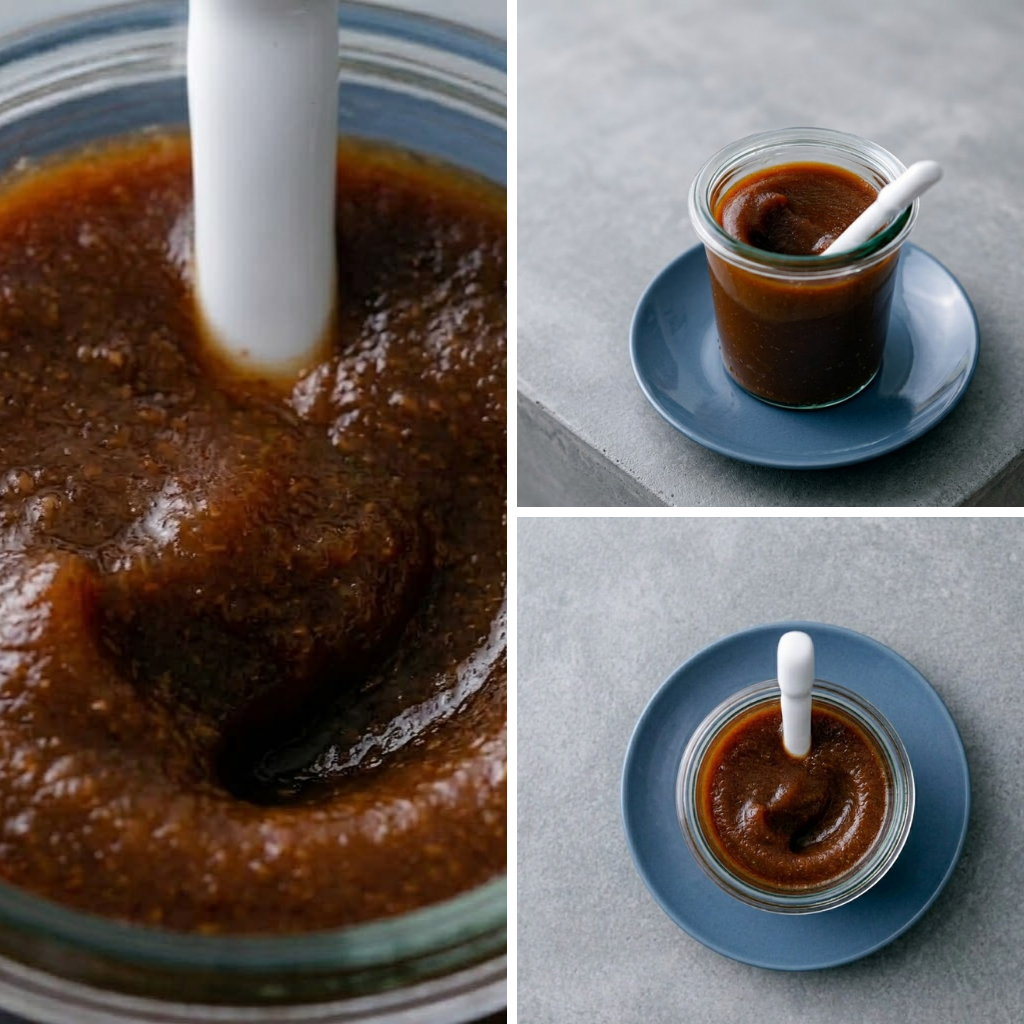
The sauce goes into the blender twice: once before simmering and once after. The first blend is intentionally rough, giving the ingredients contact time with the heat so the flavors deepen during the simmer. The second blend is the finishing pass that takes the sauce from mostly smooth to completely silky.
Low Acid Bbq Sauce Recipe
Course: Side DishCuisine: AmericanDifficulty: Easy8
servings15
minutes15
minutes40
kcalLow Acid BBQ Sauce Recipe: no tomatoes, no ketchup, and no vinegar. Butternut squash, applesauce, molasses, and hickory liquid smoke in 30 minutes.
Ingredients
1½ cups cubed butternut squash
⅓ cup unsweetened applesauce
3 tablespoons molasses
2 tablespoons coconut aminos
1½ teaspoons hickory liquid smoke
¾ teaspoon onion powder
¾ teaspoon ground mustard
¼ teaspoon ground ginger
Directions
- Steam or boil the butternut squash until fork-tender. Drain well.
- Transfer the cooked squash to a blender or food processor and add all remaining ingredients. Blend until mostly smooth.
- Transfer the blended sauce to a saucepan over medium-low heat. Cover and bring up to a simmer.
- Cook for 15 minutes, stirring occasionally. Remove from the heat every few minutes to stir and re-cover before returning to the heat, as the sauce will splatter.
- Rinse out the blender or food processor. Transfer the sauce back in and blend until entirely smooth. Store covered and refrigerated for up to 5 days.
FAQs
Can I freeze this BBQ sauce?
Freezing works well here because the squash-and-applesauce base stays stable through a freeze-thaw cycle without separating. Store in a freezer-safe container with an inch of headspace and freeze for up to 3 months. Thaw overnight in the refrigerator and blend briefly again if the texture needs smoothing after defrosting.
What does coconut aminos do that low-sodium soy sauce couldn’t?
Coconut aminos deliver the same umami hit as soy sauce but with lower sodium and no wheat. Their flavor is milder and slightly sweeter, which suits the overall sweet-savory balance without overpowering it. Low-sodium soy sauce works as a substitute but shifts the flavor saltier, so reduce it by half a teaspoon if you swap.
Why does this recipe use hickory liquid smoke rather than smoked paprika?
Liquid smoke delivers a clean smoke character at 1½ teaspoons, while smoked paprika at comparable amounts also adds heat. For acid-sensitive diets, the heat compounds in smoked paprika at higher doses are a known reflux trigger. A teaspoon of smoked paprika or lapsang souchong tea from the recipe notes is the safer swap if liquid smoke is unavailable.
What side dish pairs best with this low acid BBQ sauce?
The classic side for BBQ sauce is coleslaw, and a low acid coleslaw on this site swaps the vinegar dressing for yogurt. Together they keep the whole plate reflux-friendly without losing the BBQ cookout feel. Both can be made ahead and refrigerated, so neither needs to be made at the last minute.
What low acid protein works best with this sauce?
Turkey is the most acid-neutral protein for pairing with this sauce, since it takes a glaze without releasing fat that triggers reflux. A low acid turkey burger on this site uses white beans for moisture and skips mustard and ketchup entirely. Spooning this sauce over the top replaces those condiments and keeps the whole meal reflux-friendly.